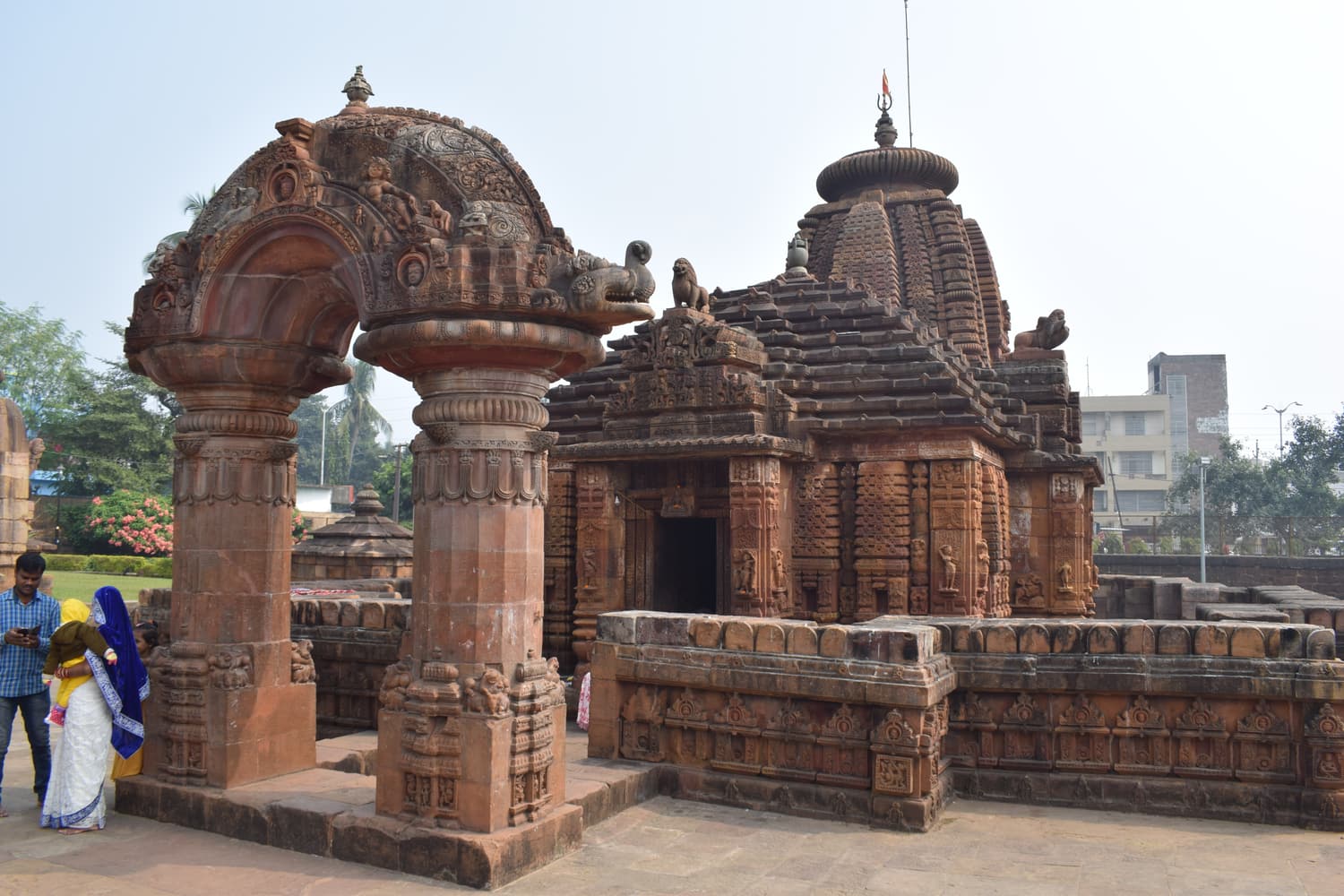
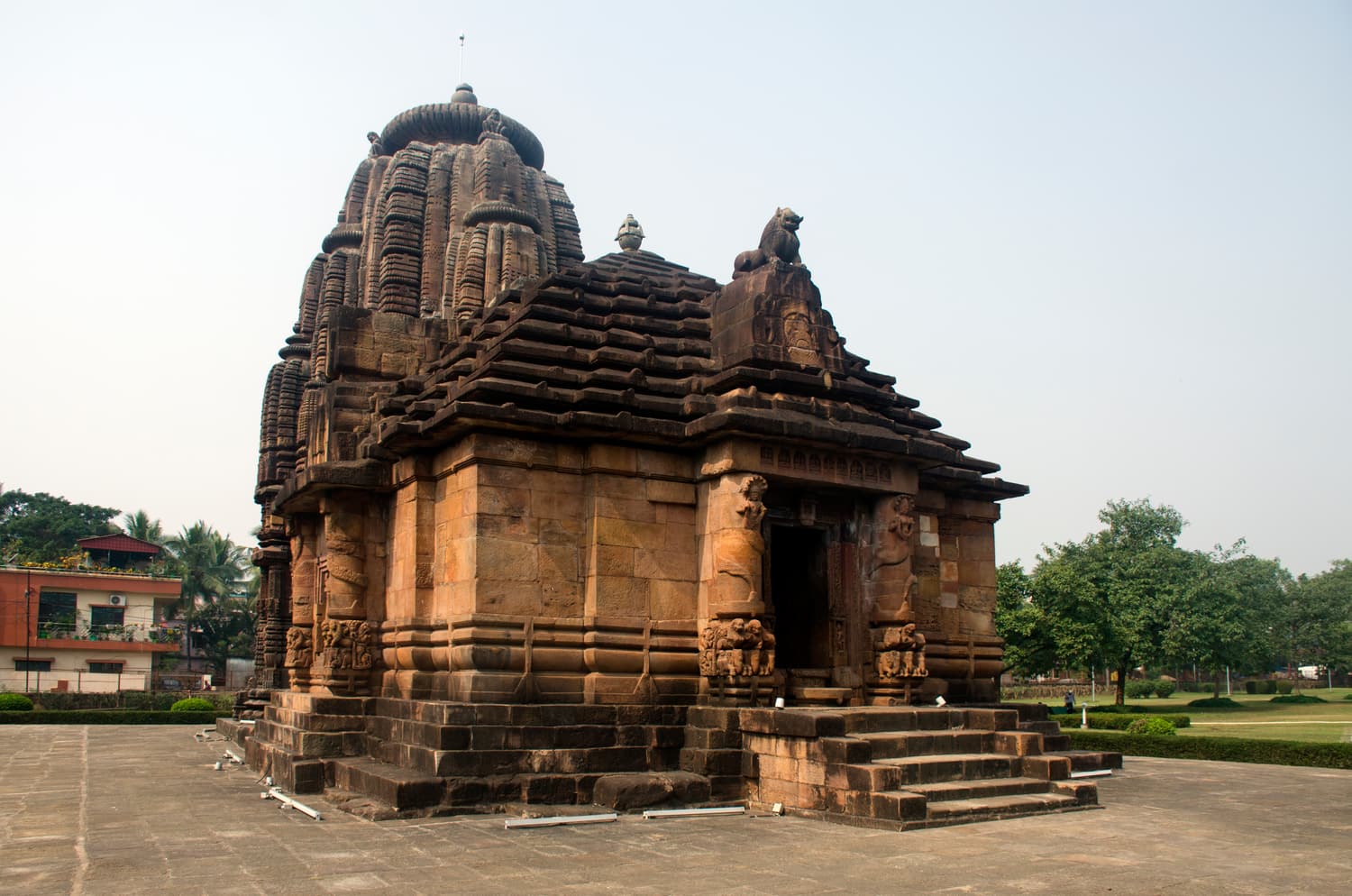
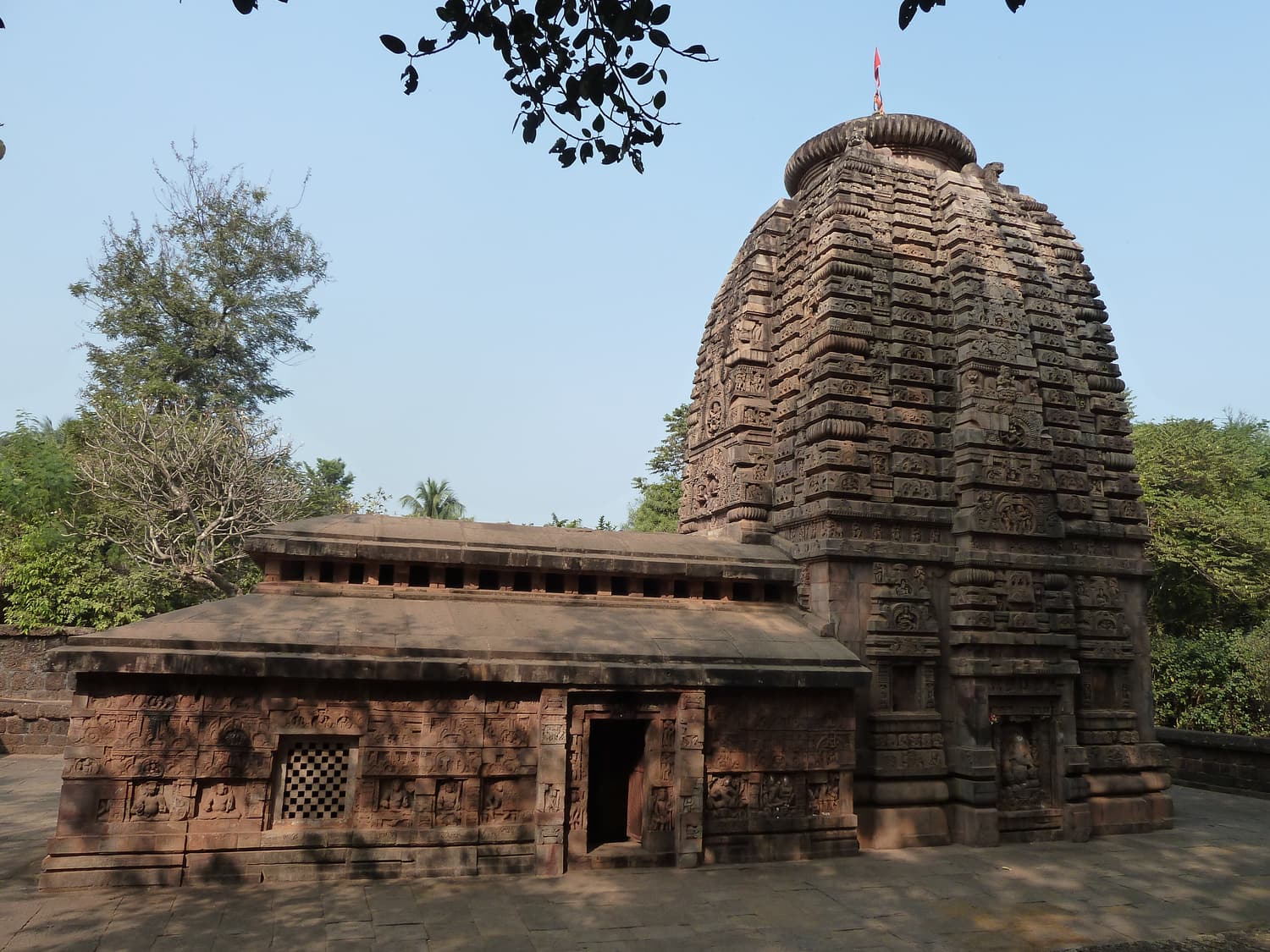
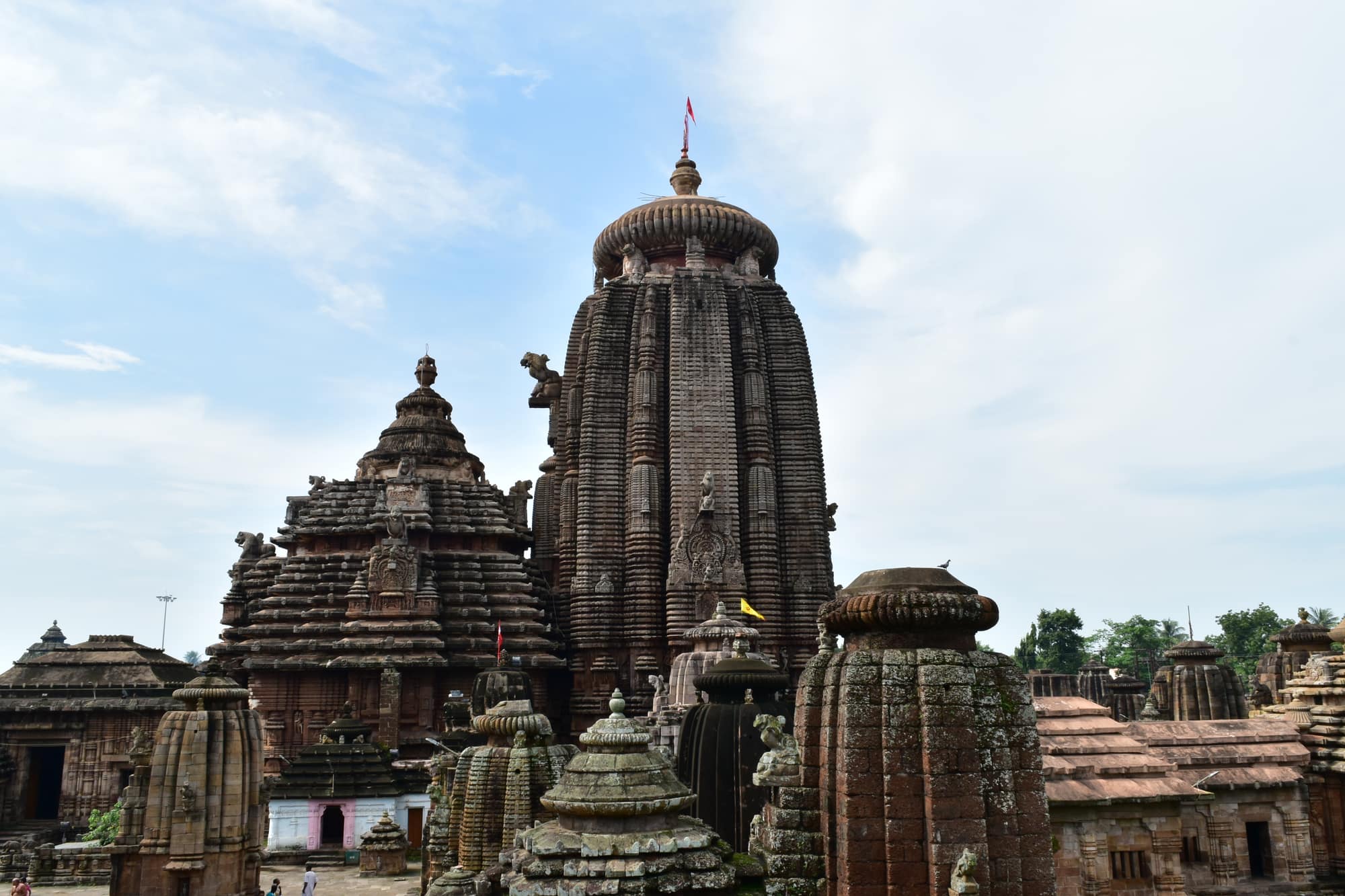
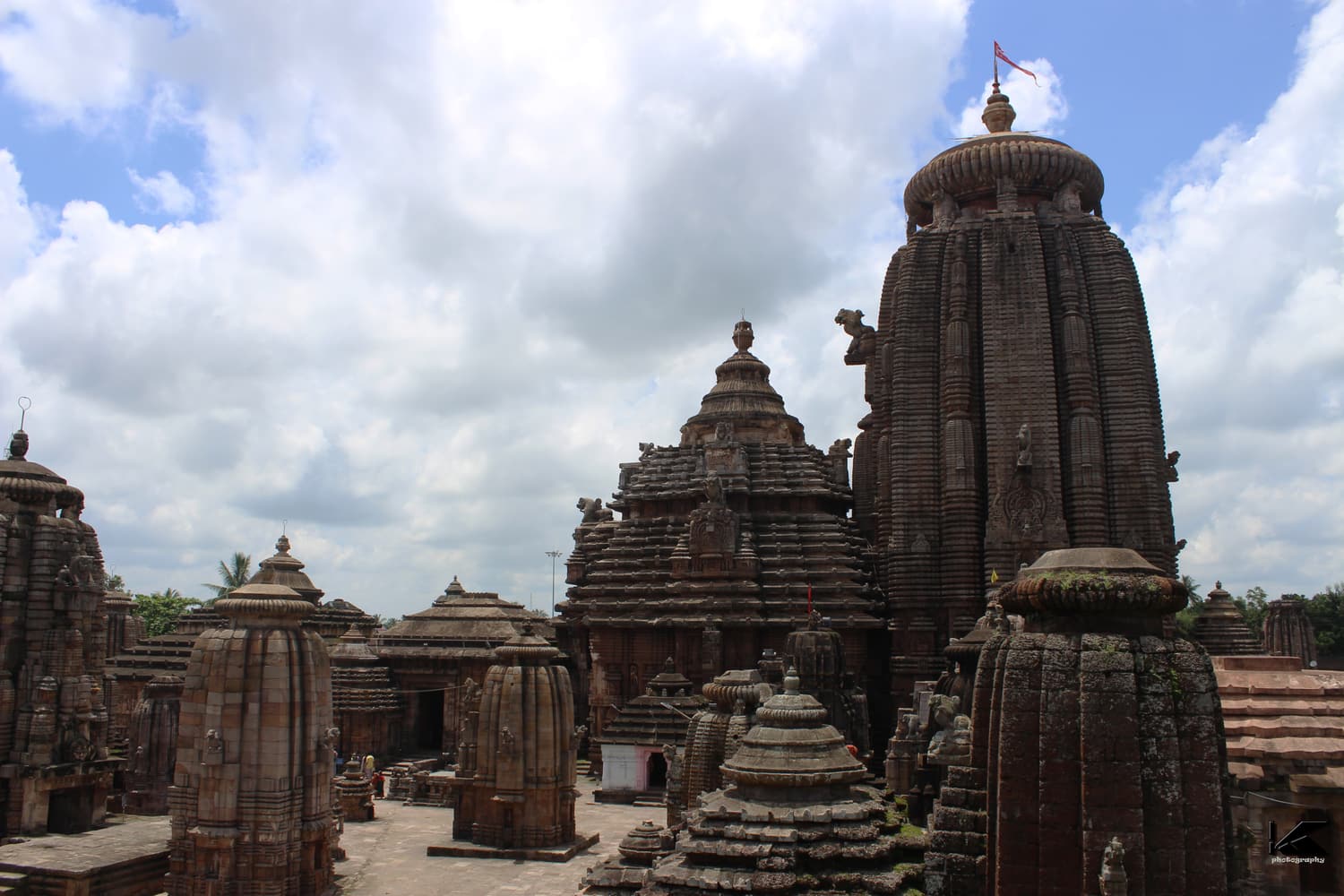
The Lingaraj Temple is the heart of Bhubaneswar and the finest complete example of the Kalinga temple style before Konark. Its main tower, the deul, rises around 55 metres above the Old Town, and the walled compound around it holds more than a hundred smaller shrines. Building is usually dated to the 11th century, begun under the Somavamsi kings and completed under the Eastern Gangas.
The deity is Shiva as Harihara — a lingam worshipped as half Shiva, half Vishnu — which is why Vaishnava and Shaiva rituals meet here. This is a living temple, not a monument: it is busy from dawn, and on festival days such as Maha Shivaratri the lanes around it fill with tens of thousands of pilgrims.
Top things to do at Lingaraj Temple
Enter the compound (Hindus only)
Entry to the inner compound is restricted to Hindus. Phones, cameras and leather items must be deposited outside, footwear is removed at the gate, and modest dress is expected. Temple servitors (pandas) will offer to guide you; agree any fee before you start.
Use the viewing platform (non-Hindus)
Visitors who cannot enter can climb the viewing platform built against the compound wall on the north side, originally put up in the colonial era for Lord Curzon. From it you look across the whole complex — the great tower, the halls and dozens of shrines. Go early morning for the soft light.
Walk down to Bindu Sagar
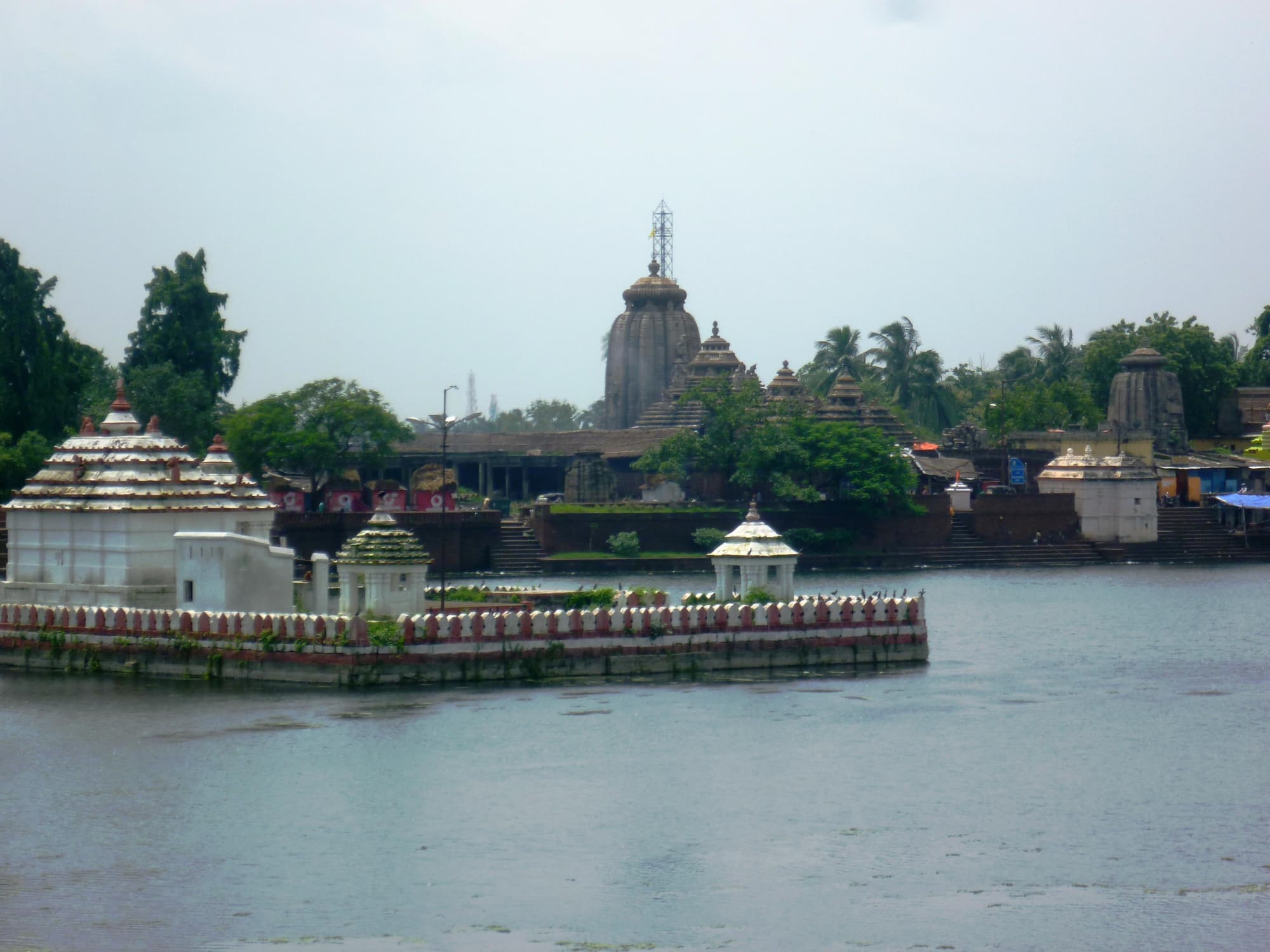
The sacred tank of Bindu Sagar is a five-minute walk north. The view back to the Lingaraj tower across the water is one of the classic sights of the city, and the ghats are at their liveliest just after sunrise.
How to get to Lingaraj Temple
- From the city centre: about 5 km south of Master Canteen and the railway station — 15–20 minutes by auto-rickshaw or app cab. Ask for "Lingaraj Mandir".
- From the airport: around 4 km, roughly 15 minutes by taxi.
- On a tour: almost every Bhubaneswar city tour starts here; a private tour guide handles the viewing-platform logistics for non-Hindu visitors.
Insider tips
- The temple is open from early morning (around 6 am) until the evening, but closes to darshan for periods during the day while the deity is offered food. Arrive before 9 am.
- Photography is not allowed inside the compound. From the viewing platform it is permitted — bring a lens with some reach.
- There is no official entry fee. Donations are voluntary; be firm but polite with anyone asking for money on the viewing platform.
- Maha Shivaratri (February or March) is spectacular but extremely crowded. Plan accordingly.
Best tours & tickets for Lingaraj Temple
These experiences are the easiest way to see Lingaraj Temple with a guide and transport sorted:
 City tour from US$102
Mystical Bhubaneswar: Temples, Caves and Dhauli Hills Tour
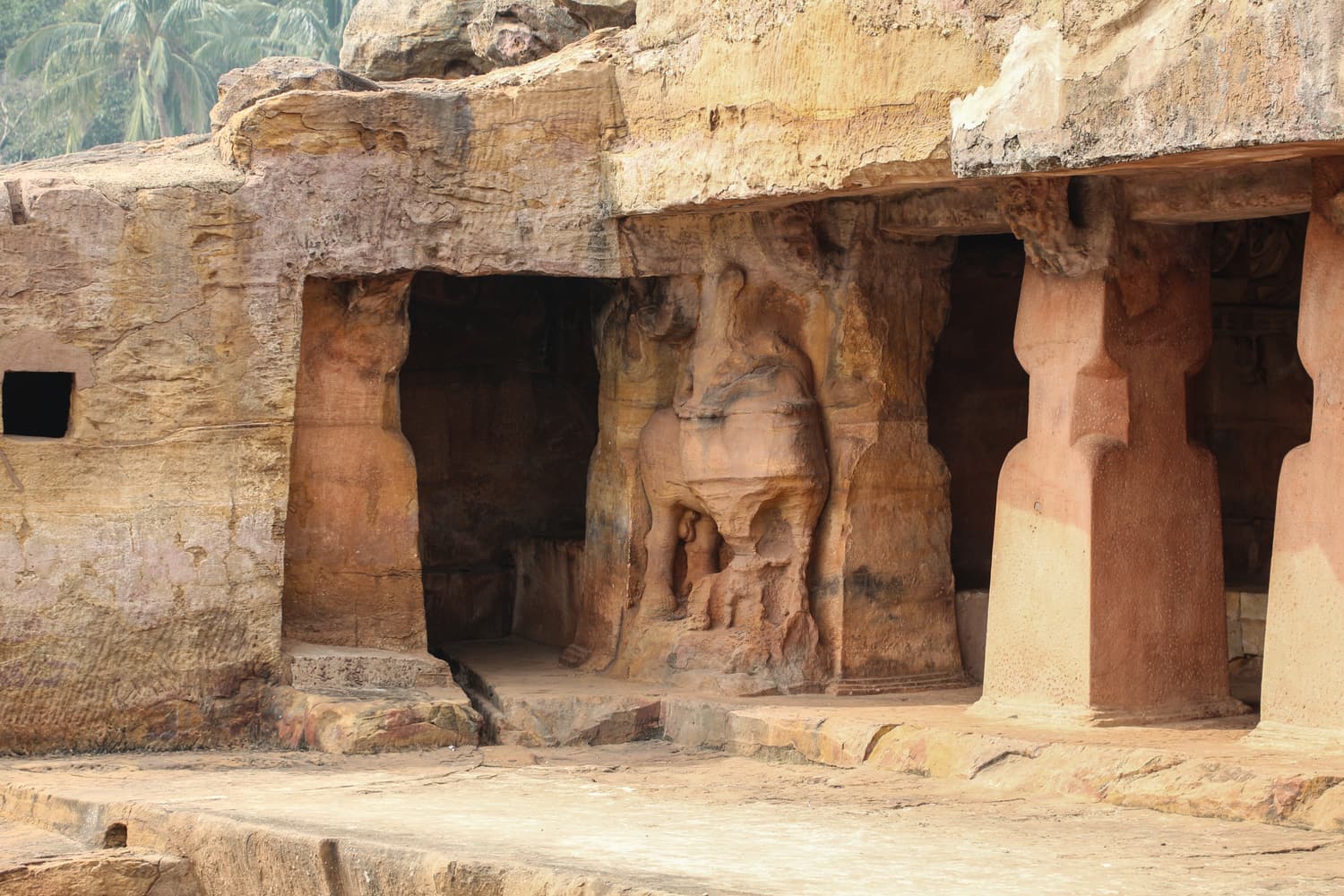
Everything inside the city limits in one well-paced day: the Old Town temples, the rock-cut Jain monasteries on Udayagiri and Khandagiri hills, and the white peace pagoda at Dhauli above the battlefield of the Kalinga War. Hotel pickup included.
- Lingaraj, Mukteswar and Rajarani temples
- The 2,000-year-old Jain caves of Udayagiri and Khandagiri
- Dhauli Shanti Stupa and the Ashokan rock edict
 Private day trip from US$133
Bhubaneswar: Konark and Bhubaneswar Private Day Trip
The best single day you can plan here: the great Kalinga temples of Bhubaneswar in the cooler morning, then the drive to Konark for the Sun Temple’s carved wheels and horses. A private car and guide means you set the pace — and the reviews so far are uniformly excellent.
- Bhubaneswar’s Old Town temples with a guide
- The UNESCO-listed Sun Temple at Konark
- Private car with hotel pickup
 Private day trip from US$132
Architectural Wonders of Odisha Tour
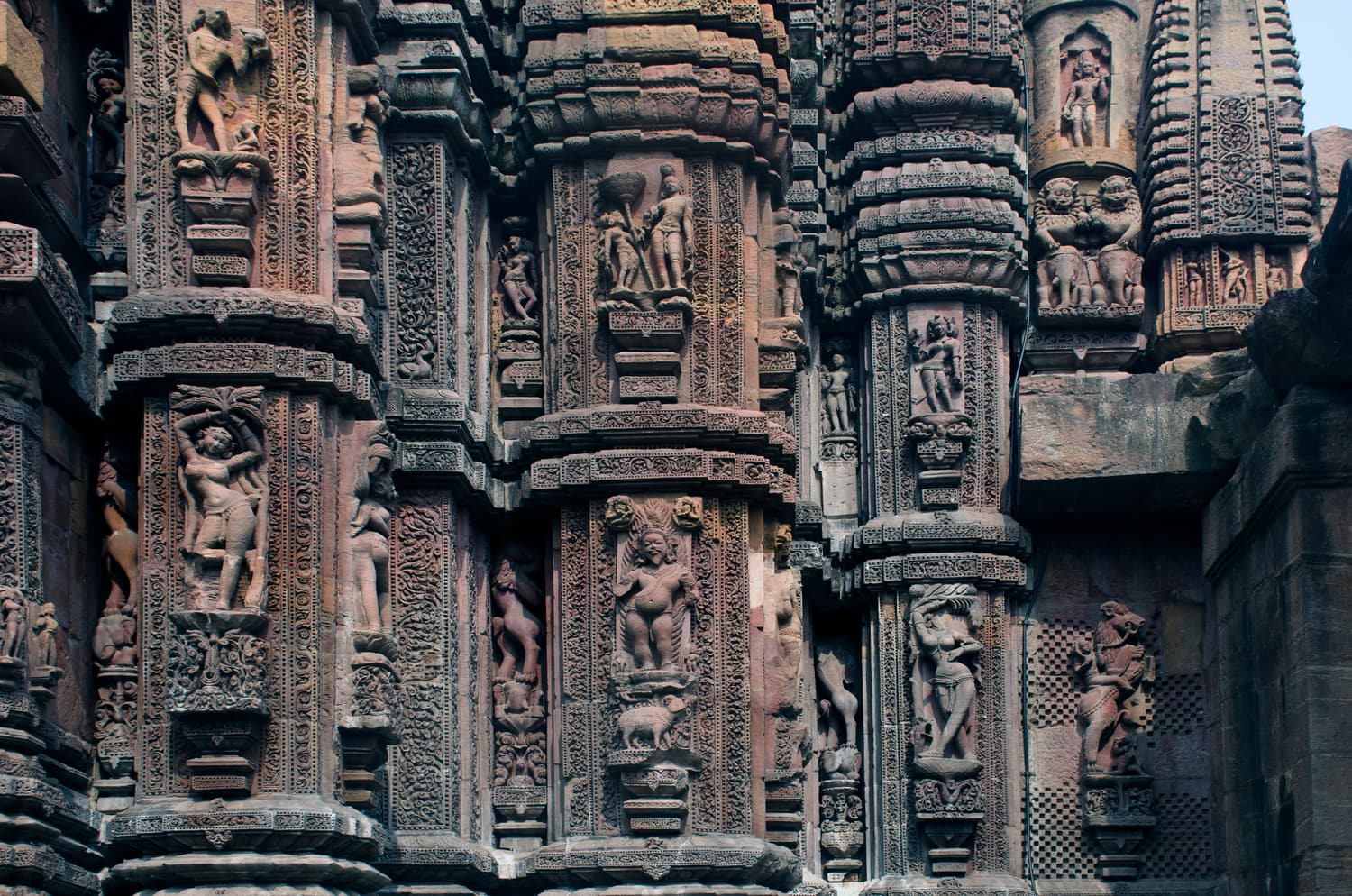
A long, architecture-first day for people who want the story of the Kalinga temple style from its early experiments in Bhubaneswar to its peak at Konark, with a guide who can read the carving on the walls.
- Kalinga-style temples from the 7th to 13th centuries
- Rock-cut caves and temple sculpture explained
- A long private day with pickup